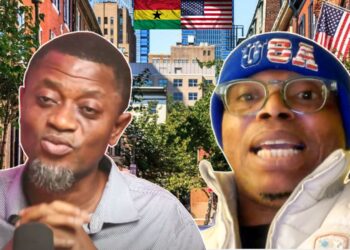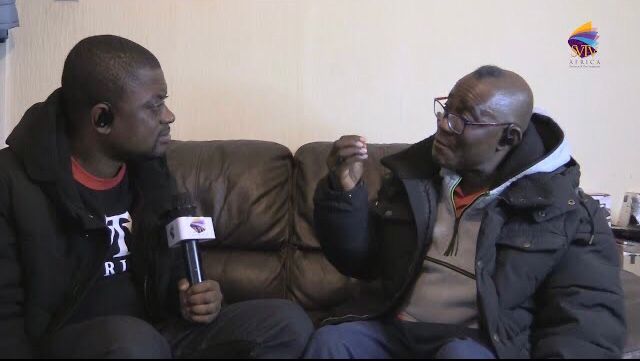

Ibrahim Sani, a Ghanaian living in the diaspora, shared his powerful migration journey on SVTV Africa’s Daily Hustle Worldwide with DJ Nyaami. His story began in 2008 when he traveled to Libya and returned to Ghana in 2011. Before leaving again, he worked as a trotro driver in Accra.
He later traveled to Qatar during the 2022 World Cup, working as a security officer for three months. After returning to Ghana, he used the GH₵13,000 he earned to repair his trotro and resume work. Traveling abroad again was not part of his plan, but his brothers encouraged him to attempt crossing into Europe since he already had experience in Libya.
He joined his brothers, who were already in Algeria, and from there, an agent rushed them into Tunisia to prepare for the dangerous boat journey to Italy. They were arrested along the way and taken to a deportation camp, where they were beaten severely before being released. Despite the trauma, they attempted the sea crossing again.
According to Sani, anyone who uses the sea route into Italy is considered a “legend” because of the deadly risks involved. They spent two days on the water without proper facilities, defecating on the boat and struggling to survive until they were eventually rescued. They managed to steer their boat to Lampedusa and later to Sicily before finally settling in Milan.
His brother, who took the boat route with him, could not endure life in Italy and eventually returned to Ghana. For Sani, the experience was a painful reminder that money alone does not guarantee happiness. He stressed that rituals and money abroad share one thing in common—both can leave you empty if you lack peace.
In Ghana, he owned a car and worked with Uber, which brought him joy despite the modest income. Abroad, he works extremely long hours—far more than eight hours daily—and although he can save €1,000 a month, he admits he is not happy. He has a wife and children back home and traveled mainly to create better opportunities for them.
He added that many migrants believe their children are ultimately cared for by God, not by their parents alone—a belief common in his Muslim community. Despite working hard and earning more than many documented workers, he still lacks legal papers in Italy. He hopes to secure his documents someday but acknowledges that he has given himself limited time to continue living in Italy if things do not improve.
Watch The Video Below:
About The Author