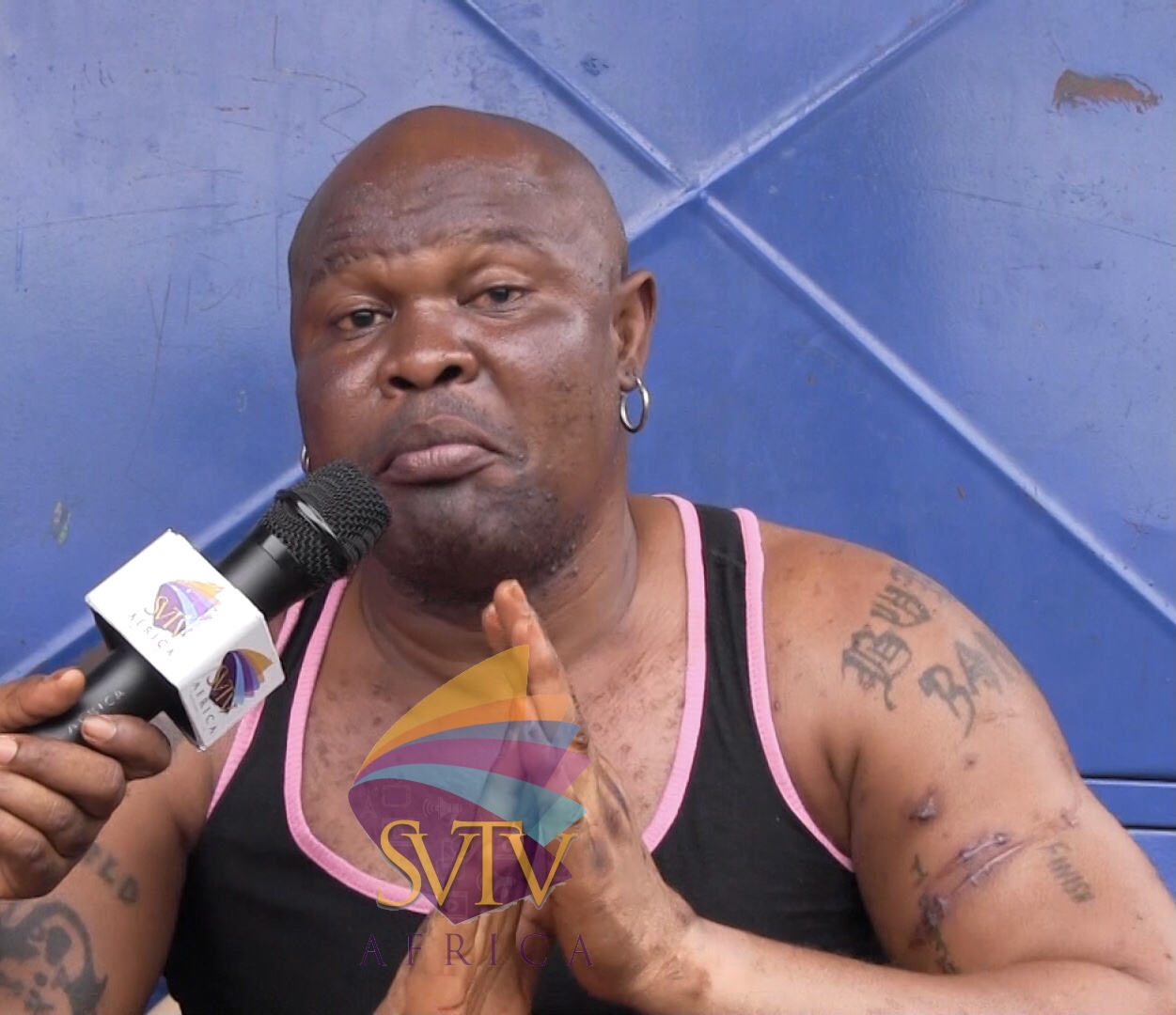

Charles Appeadu, a Ghanaian based in the United States, is a regular guest on SVTV Africa’s Daily Hustle Worldwide. In a recent interview, he shared his views on financial planning, investment, and life in Ghana versus abroad.
Reflecting on his time in Ghana, Charles noted the challenges of fluctuating currency. “When the dollar depreciated, I expected prices of goods to come down,” he said. He urged the government to improve logistics and regulate markets:
“Military vehicles could be used to transport goods from villages to Tema and Accra, and there should be rules to prevent market queens and mothers from manipulating prices.”
Charles also highlighted the social aspect of life in Ghana versus abroad. “In Ghana, you meet people, interact daily, and barely get bored. Abroad, it’s different—you rarely see people.”
From a financial perspective, Charles emphasized the importance of long-term planning. “The U.S. financial market is one of the most efficient markets. Investing in the stock market may seem slow, but over 20 years, returns grow steadily. Everyone should consider trading there.” He added that retirement security requires consistent planning and that wealth abroad is defined by a comfortable standard of living, including paying rent or mortgage, and investing for the future.
Charles encouraged Ghanaians living abroad to invest in their host country rather than only in Ghana. “Some people live in New York, build houses, and keep saying they’ll go to Ghana, but they should invest where they live. Build networks, save, and plan for the future.
You may never move back, and some people even die before ever sleeping in their Ghanaian homes.”
On career advice, he stressed the value of high-demand skills. “Learn skills that are needed professionally in your country. Don’t assume that engineering always pays more than nursing. You can adapt your profession to match local demand.”
Charles also compared retirement systems. “Abroad, you may end up in senior citizen homes, but in Ghana, relatives often visit. African retirees want to go back to Ghana, but social security may give you lower monthly income, from $1,000 to $4,000. Planning is key.” He recommended building a house in Ghana, sending some resources home, and visiting children abroad.
Having lived in the U.S. for 38 years, Charles started working in 1994 and began planning his retirement early. “When I return to Ghana, I hope to receive a pension of $7,000–$10,000 as an upper-income earner,” he said. He contrasted this with professors in Ghana, who earn around $200 and struggle to save.
Charles emphasized the importance of real estate investment: “Investing in houses through real estate not only benefits you but also strengthens the country’s economy and infrastructure.”
In conclusion, Charles Appeadu encouraged Ghanaians abroad to live their life wisely, invest strategically, and plan long-term. “Think beyond instant gains, focus on security, and ensure your life abroad and back home is well-structured,” he advised.
Watch The Video Below;
About The Author