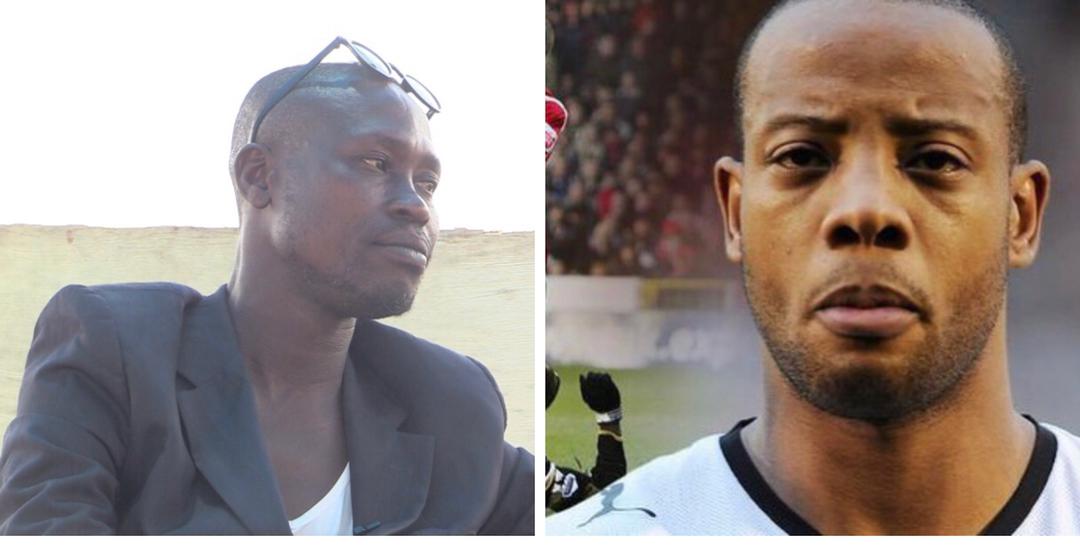

Adu Ababio, a Ghanaian resident in Germany, has shared his real-life experiences abroad, shedding light on the often-hidden struggles many migrants face in Europe. Speaking in an interview with DJ Nyaami on SVTV Africa’s Daily Hustle Worldwide show, Adu offered an honest account of life overseas and why he believes Ghana still holds greater opportunities for success.
According to Adu, one of the first lessons he learned after arriving in Europe was the value of time and discipline. He noted that everyone abroad relies heavily on alarms to wake up, stressing that punctuality is not optional but a necessity for survival. He explained that life moves fast, and missing work or appointments can have serious consequences.
He revealed that nearly everyone he has spoken to abroad is deeply indebted back home in Africa. Adu recounted a conversation with someone from Tanzania who wanted to return to Africa but could not because of outstanding debts and the uncertainty of finding work to repay them. He emphasized that many people migrate after borrowing huge sums of money, only to struggle under the pressure of repayment.
Adu also addressed the misconception that food and living are expensive abroad. While food may be relatively affordable, he explained that rent and bills consume most earnings. He disclosed that he pays about 700 euros in rent in the Netherlands, and even paying 400 euros monthly can be extremely difficult for someone who borrowed money to travel abroad. According to him, many people exaggerate their earnings, but the truth is that most of the money made abroad is spent there.
He spoke about the challenges of relying on family members overseas. Although he had family in Europe, he realized that living with others often comes with restrictions. He recalled how his junior sister initially treated him well, but things changed when she began expecting him to cook and contribute immediately after work. This experience taught him that independence abroad is costly but often necessary.
Adu admitted that adapting to life in Europe is not easy, especially due to language barriers. Despite having qualifications, he found it difficult to learn the language and observed that even people with master’s and doctorate degrees end up doing menial jobs, including cleaning animal waste on farms. He stated that dignity of labor is real abroad, but it comes with emotional and psychological challenges many are not prepared for.
He revealed that the least amount of money someone pays to travel abroad can be as high as GH¢60,000. Despite these sacrifices, Adu maintained that most of his wealth was made in Ghana, not abroad. He disclosed that he bought two plots of land in Ghana in November last year and that construction is already at the roofing stage, proving that progress is possible back home.
Adu further shared that even before arriving in Europe, he knew he would eventually return to Ghana. At the time of his travel, his wife was only two months pregnant, and he believed strongly that he could still make it financially in Ghana. He stated that although Europe created structured systems, Ghana offers more flexible opportunities for entrepreneurship.
He highlighted his involvement in agriculture, particularly poultry farming, pig farming, turkey farming, and catfish farming, describing them as highly profitable ventures in Ghana. He revealed that he started without money but has since received significant support, including GH¢10,000 from individuals willing to invest in his work. He also mentioned earning income from digital platforms such as Facebook through content creation.
Adu concluded by encouraging Ghanaians to rethink the belief that success only comes from living abroad. He stressed that while Europe offers structure, Ghana offers opportunity, freedom, and the chance to build lasting wealth for those willing to work and invest wisely.
Watch The Video Below:
About The Author