
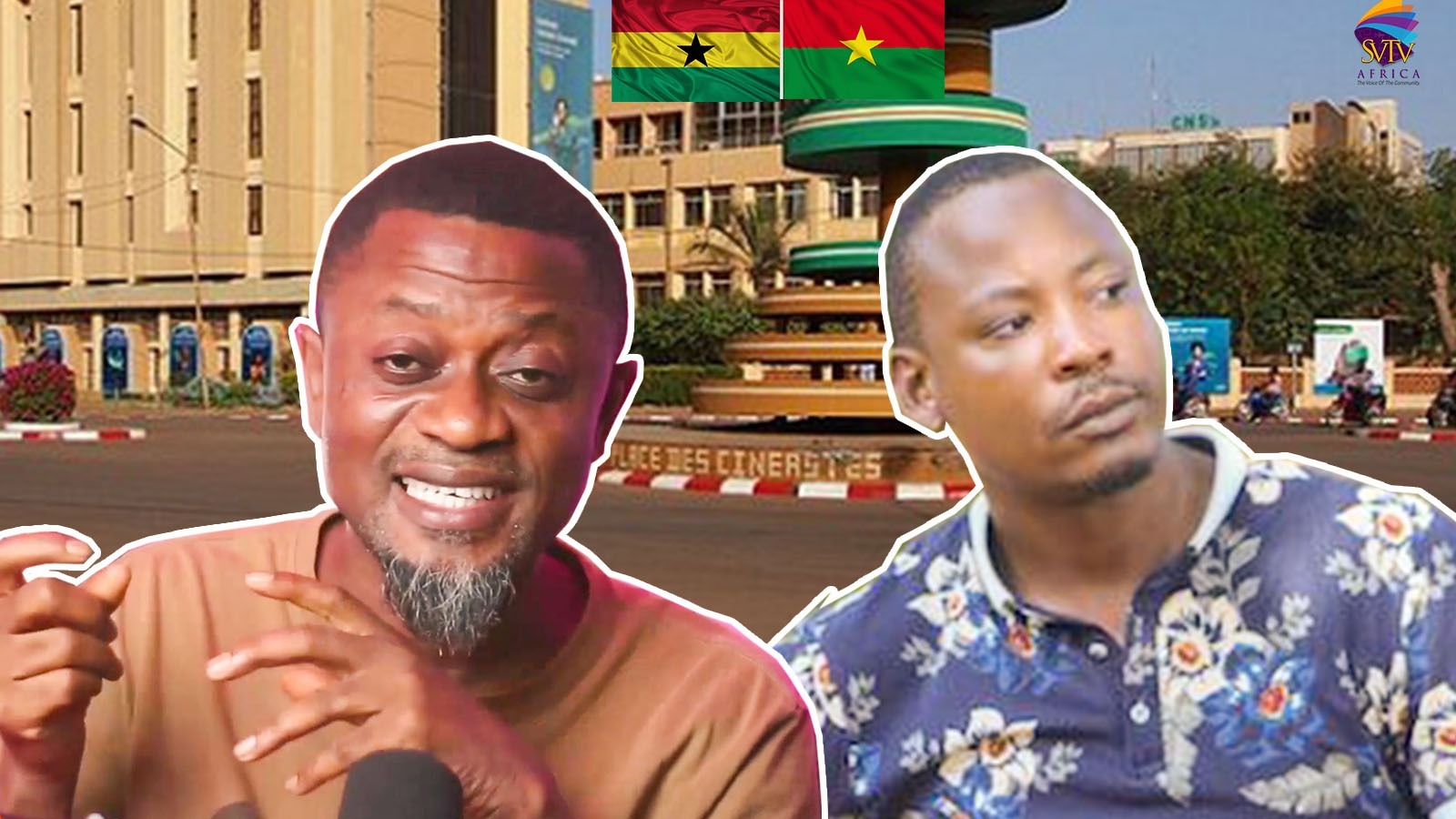
Ibrahim is a Ghanaian based in Burkina Faso, where he lives with his wife and children. He makes a living by traveling to Ghana to buy cars, which he transports back to Burkina Faso to sell. He also runs a small auto-fitting and mechanic shop, skills he learned in Kumasi.
Several years ago, Ibrahim traveled to Togo for a funeral, where he reunited with his brother, who lives in Hannover, Germany. When his brother saw the car Ibrahim was driving, he asked what he did for a living. Ibrahim explained that he sold cars and ran a small mechanic business. His brother then claimed he had friends abroad who sold cars and promised to connect him so he could start importing bigger vehicles, including articulated trucks.
Trusting his brother, Ibrahim gave him 500,000 CFA, after being assured that within three months he would receive a truck. No pictures or proof were ever sent. Months turned into years. Each time Ibrahim called to ask about the vehicle, his brother gave excuses—claiming the car had been bought, that the port authorities were delaying clearance, or that paperwork issues were holding things up.
Later, his brother promised to help him travel to Germany to buy spare parts. Ibrahim later discovered that his brother and his wife were involved in court cases, and the money Ibrahim had given was used to pay lawyers and legal fees. After that, his brother stopped communicating completely. For nearly eight years, Ibrahim heard nothing from him, despite still having his contact number.
Their family situation is complicated. Their father married five women, so they share the same father but have different mothers. Ibrahim later discovered that he was not the only victim—his brother had taken money from several family members. Eventually, the family sold his brother’s plot of land in Togo to settle debts. Ibrahim was paid only 1 million CFA, with the explanation that the remaining money was used to pay other people his brother owed.
Despite these painful experiences, Ibrahim continued doing business successfully with other contacts abroad without any problems. Meanwhile, his brother continued living comfortably in Europe with his wife and children, allegedly scamming people by convincing them to invest in lottery schemes, while Ibrahim’s own family struggled to afford daily meals.
When Ibrahim’s wife once saw his brother, she sensed something was wrong and warned him. She believed his flashy lifestyle was suspicious and that he intended to deceive him. Ibrahim admits that he ignored her advice and later regretted it deeply.
Three years later, his brother secretly returned to Ghana and stayed in Tamale. They are Konkomba by tribe. Whenever Ibrahim called him, he refused to answer. He later lied again, claiming he was processing an e-visa for Ibrahim. He sent a fake invitation letter and collected another 800,000 CFA. Overjoyed at the chance to travel, Ibrahim couldn’t sleep that night. He submitted the documents at the German Embassy in Burkina Faso, only to be denied a visa because the invitation was fake.
Today, Ibrahim says business in Burkina Faso is stable. Despite earlier security challenges in the country, the situation has improved, and he continues selling cars and working as a mechanic. However, the money his brother took set him back completely, forcing him to start life all over again.
Reflecting on his experience, Ibrahim advises others to listen to their spouses and trusted loved ones. He believes that if he had listened to his wife’s warning, he might have avoided years of hardship. Although he visits Ghana often, the last time he returned was three years ago.
This is a story of broken trust, family betrayal, and the painful cost of believing the wrong person.
