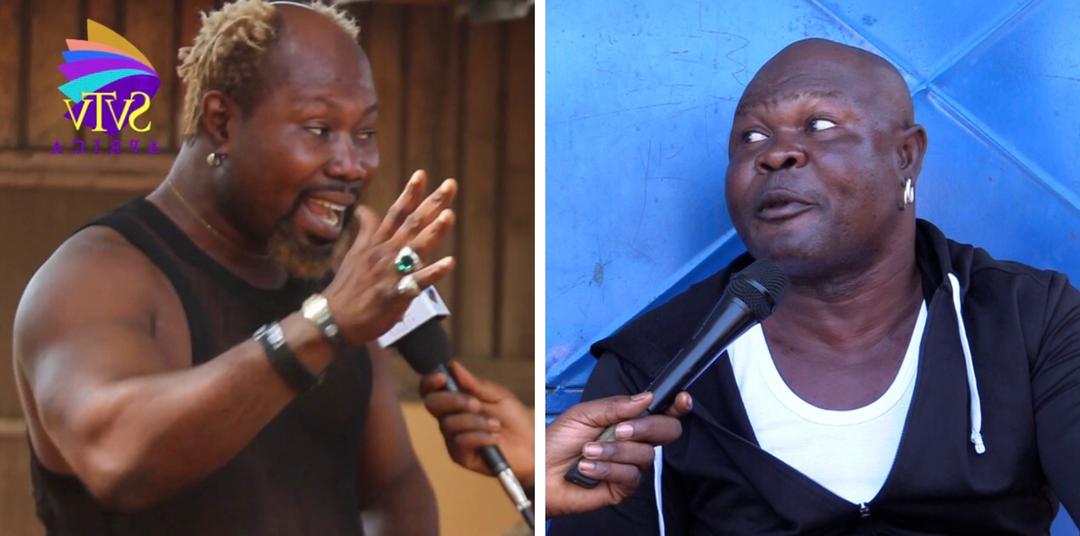

Karim, a Ghanaian based in Brazil, has shared a frank and revealing account of life in the South American country during an appearance on SVTV Africa’s Daily Hustle Worldwide show hosted by DJ Nyaami.
According to Karim, if someone had sponsored his journey to Brazil, he would have returned to Ghana long ago. However, because he personally struggled, saved money, and funded his own trip, he decided to stay and make the best out of the opportunities available.
“One thing I like about Brazil is that they allow you to go to school for free to learn basic Portuguese,” Karim said. He explained that after completing the language course, students are issued certificates, which help with integration and job opportunities. While some schools offer allowances to students, he noted that the school he attends does not.
Karim revealed that some migrants still use Brazil as a transit route, hoping to move onward through dangerous paths to the United States. However, he cautioned that the reality is far more difficult than what is portrayed on social media.
He disclosed that the average salary in Brazil is less than $400, from which workers must pay rent and utility bills. “It is only God who is taking care of us,” he admitted.
Addressing misinformation on social media, Karim criticized some TikTok influencers who encourage people to migrate by claiming Brazil is easy because it is a big country. He explained that although the Brazilian visa is considered one of the cheapest, the process is often exploited by so-called “connection men.”
According to him, some connection men charge between $5,000 and $6,000 just to secure a Brazilian visa, without including an air ticket. He shared a real example of someone who paid $5,000, got duped, and then paid another $5,000 again. Even when successful, the visa given is usually a tourist visa, and adding an air ticket can push the total cost to around $6,000.
Karim warned that it can take up to five years of hard work to recover such an amount in Brazil.
He further dismissed the notion that jobs in Brazil are limited to chicken factories. “There are many types of jobs here,” he said. He also challenged the contradiction of people claiming that “Ghana has no future” while staying in Ghana long enough to raise thousands of dollars to travel abroad.
Karim revealed that many migrants initially came to Brazil with the hope of eventually entering the USA. However, once in Brazil, many realize they can neither move forward to the US nor return to Ghana easily, leaving them stranded.
“Once you get here, you have to hang in there,” he said. “If you find a way to survive, you survive and work.”
He also warned that routes through Mexico are extremely unsafe, adding that friends who are currently there are living in fear. According to him, many migrants are now waiting to see political changes in the US, hoping it may open opportunities for them to move forward.
Karim’s story serves as a strong caution to young people planning to migrate: Brazil is not a shortcut to success, and anyone considering the journey must understand the real costs, risks, and long-term consequences before making the move.
Watch The Video Below:
About The Author