
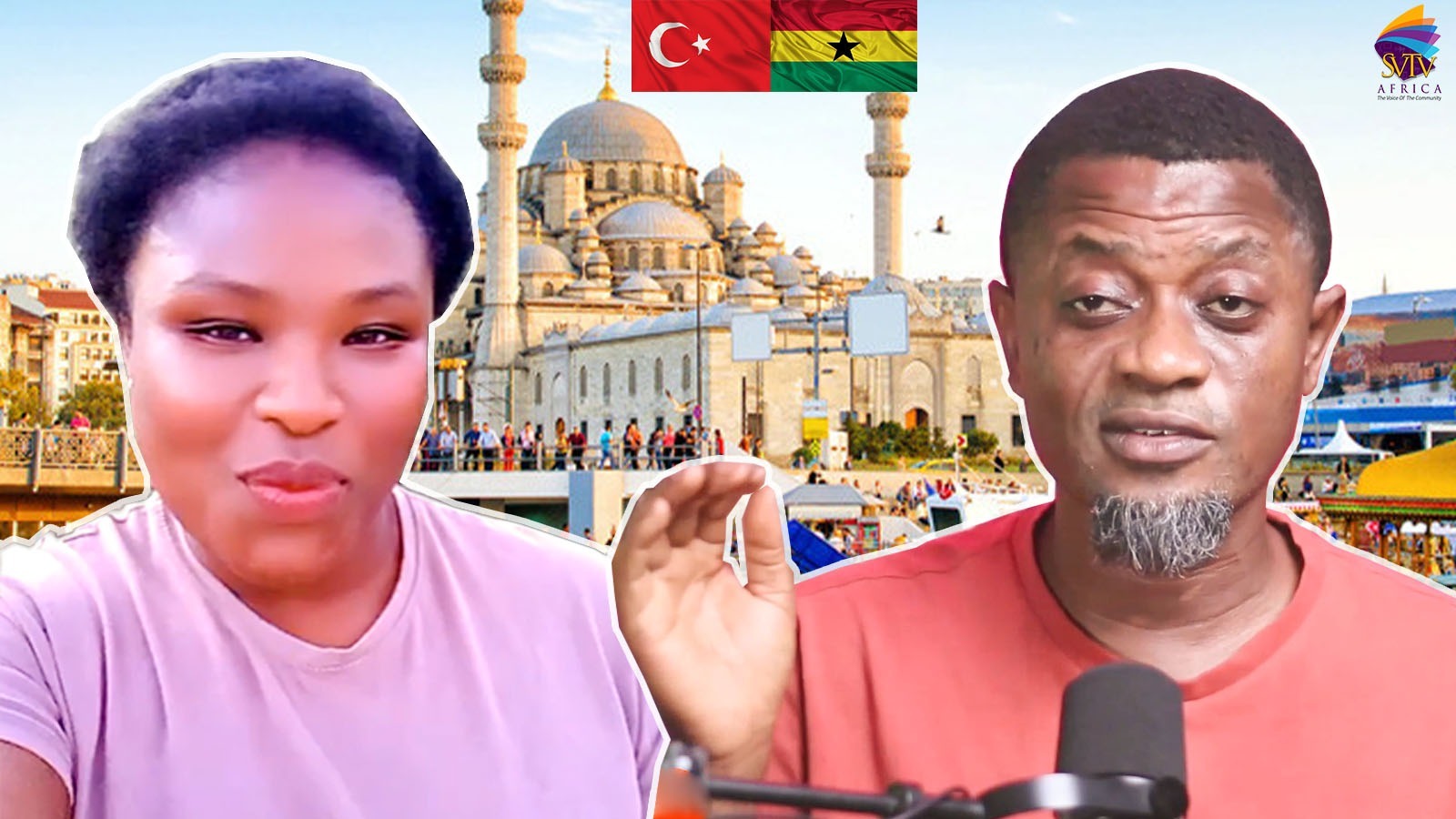
Naana is a Ghanaian woman currently based in Istanbul, Turkey, where she has lived for the past six years. Her journey is one of hardship, resilience, and survival—an honest reflection of the realities many migrants face beyond the promises of a better life abroad.
Naana comes from Akomadan in Ghana and was living in Kumasi as a married woman with her husband and children. Sadly, the marriage ended in divorce, leaving her to face life on her own. With responsibilities weighing heavily on her and limited opportunities back home, she began considering traveling abroad to improve her situation and support her children.
A friend who had traveled to Turkey told her that although Ghana’s currency was stronger than the Turkish lira at the time, Turkey offered opportunities and could also serve as a possible route into Europe. Around the same period, Naana’s sister in Germany promised to help her travel to Europe, giving her renewed hope.
Within two weeks, Naana was called for an interview, and just three days later, she received a visa. Unfortunately, the people who promised to support her financially disappeared. With great difficulty, she managed to raise half of the money and paid an agent for her ticket. She traveled to Turkey, leaving her children behind with their grandmother in Ghana.
In Turkey, Naana worked hard to survive. She sold second-hand clothing and did small jobs, believing that with time she would earn enough money and build capital. This was during the COVID-19 period, which made life even harder for migrants due to restrictions and lack of work.
Like many migrants in Turkey, Naana attempted to cross into Greece by sea in hopes of reaching Europe. She and others were picked up from Istanbul and taken to the seaside, where they were forced onto a rubber boat. During the journey, they were rescued by a large ship. Later, they realized both Turkish and Greek boats were following them. Eventually, they were returned to Turkey. Naana cried in pain and frustration.
Most of the people on the boat were Black migrants from Francophone African countries. Some contacted relatives in France, who tried to intervene. However, due to COVID-19 restrictions, Greece refused to accept them. They were placed in a Turkish camp, and later asked to pay more money to try again.
Naana returned to Istanbul and made countless attempts to cross again. Sometimes Greek authorities arrested them at sea; other times Turkish police arrested them in bushes near the border. The journey became a cycle of fear, arrest, and loss. Last year in December, Naana gave birth. During one of her final attempts, an agent pushed them to move quickly, and they were arrested again by the police.
Over time, Naana came to a painful realization: Turkey is not a bad place if you have proper documents. But without legal status, life becomes extremely difficult. Today, Turkish authorities conduct frequent identity checks, and anyone without valid documents risks arrest. This constant fear has made daily life stressful and uncertain.
Naana says that if she ever gets the chance to travel to Germany, she would not go illegally. Using someone else’s documents to work is a serious mistake, and she has learned that the hard way. She has not returned to Ghana in six years, and her first child is now 14 years old.
When Naana first arrived in Turkey, her plan was to move on to another country. But after studying the system, she realized that it is possible to survive and even make money in Turkey—if only she had understood this earlier. She admits that she has wasted a lot of money chasing false promises.
Today, Naana works mainly with Turkish families. She is a nanny and house cleaner, and her employer owns a restaurant and often provides her with food. She started this job not long ago and continues to work quietly, focusing on survival. She has no strong support system, no “connection,” and no one promising her anything.
Her employer tried to help her obtain a work permit, but the authorities refused. Having been arrested many times, Naana lives in fear that her record may affect any future opportunity.
Watch The Video Below;
About The Author


