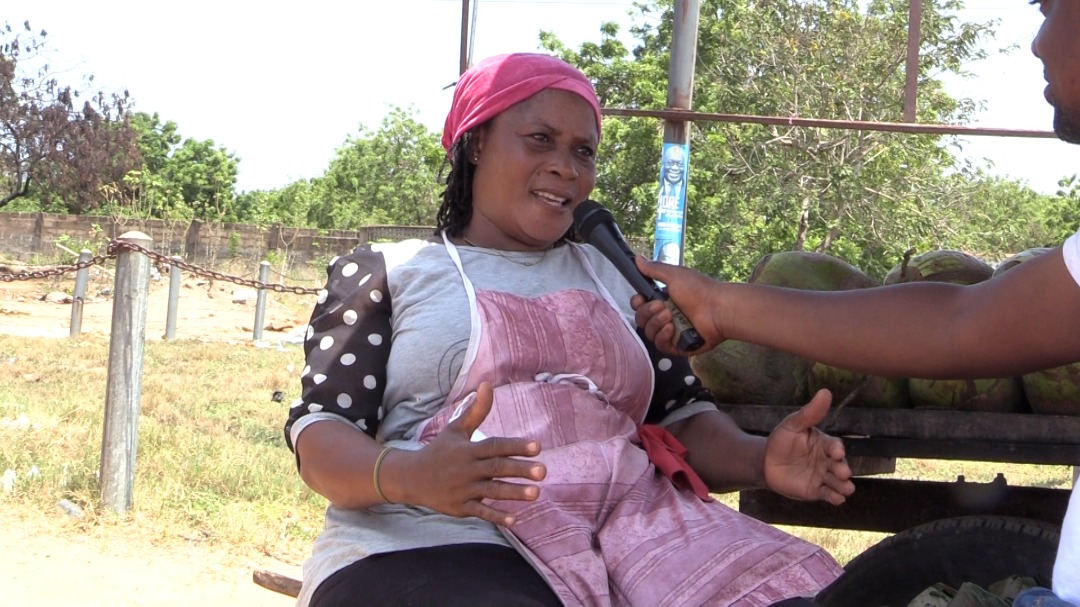

Richard, a Ghanaian based in Qatar, returned to Ghana 11 days ago and shared his experiences on SVTV Africa’s Daily Hustle Worldwide with DJ Nyaami. His message was clear and bold: many Ghanaians are being misled abroad, while real opportunities are being ignored at home.
According to Richard, after the FIFA World Cup in Qatar, many job agents began lying to desperate migrants, promising non-existent jobs. Some agents, he revealed, charge as much as GH₵30,000 to secure fake opportunities. Sadly, many people end up stranded, hungry, and frustrated. In some cases, families in Ghana spend GH₵15,000 or more just to bring their relatives back home.
Richard believes that with such huge sums, many returnees could have invested in businesses in Ghana instead of suffering abroad.
He stressed that there is money in Ghana, but it does not come easily. “Money in Ghana is like pregnancy,” he explained. “It shows on some people quickly, and on others, it takes time. But if you work and drive your business well, you will see results.”
He cited skilled trades as an example. Recently, a mechanic fixed his car with glue and charged a high fee. “People with skills are making money,” Richard said, adding that many educated people are still waiting for office jobs while skilled workers are thriving.
Using his own family as an example, Richard shared that his father runs a business with several workers and makes good money. He personally benefits from it and has earned about GH₵15,000, proving that business ownership in Ghana can be rewarding.
Comparing Ghana to Qatar, Richard noted that Black workers are often paid less abroad and are frequently exploited. “Jobs are hard to come by. Agents lie. Abroad is not as easy as people think,” he said.
He also pointed out that some people earn around GH₵5,000 monthly in Ghana but still abandon their jobs to travel abroad, hoping for greener pastures. According to him, this mindset is wrong. “Traveling doesn’t mean success. You must be involved in your business and choose partners wisely,” he advised.
Richard emphasized the importance of saving, planning, and starting early. “Ghana money is hard to get, so if you don’t save and invest wisely, you will struggle later in life,” he said. He encouraged young people to train their minds for big dreams and prepare for the future.
He further revealed that many Ghanaians abroad actually plan to return home to open businesses. “We don’t stay abroad forever. We go to look for money and come back to invest,” he explained, adding that business owners in Ghana often have more peace of mind than those struggling abroad.
Richard also touched on health concerns, noting that many Ghanaians abroad suffer from lifestyle diseases like diabetes due to stress and diet. “You can live in Ghana for 20 years without illness, but spend just two years abroad and develop diabetes,” he claimed.
Initially, Richard planned to stay in Ghana for only one month, but his visit has now extended to nearly three months. He admitted that family pressure, especially concerning marriage, has increased. He also criticized the practice of marrying in Ghana while living abroad and sending money monthly, saying it is not sustainable for everyone.
In conclusion, Richard urged Ghanaians to rethink migration, avoid dishonest agents, and focus on building sustainable businesses at home. “Salary abroad is good, but the future matters more,” he advised.
Watch The Video Below;
About The Author