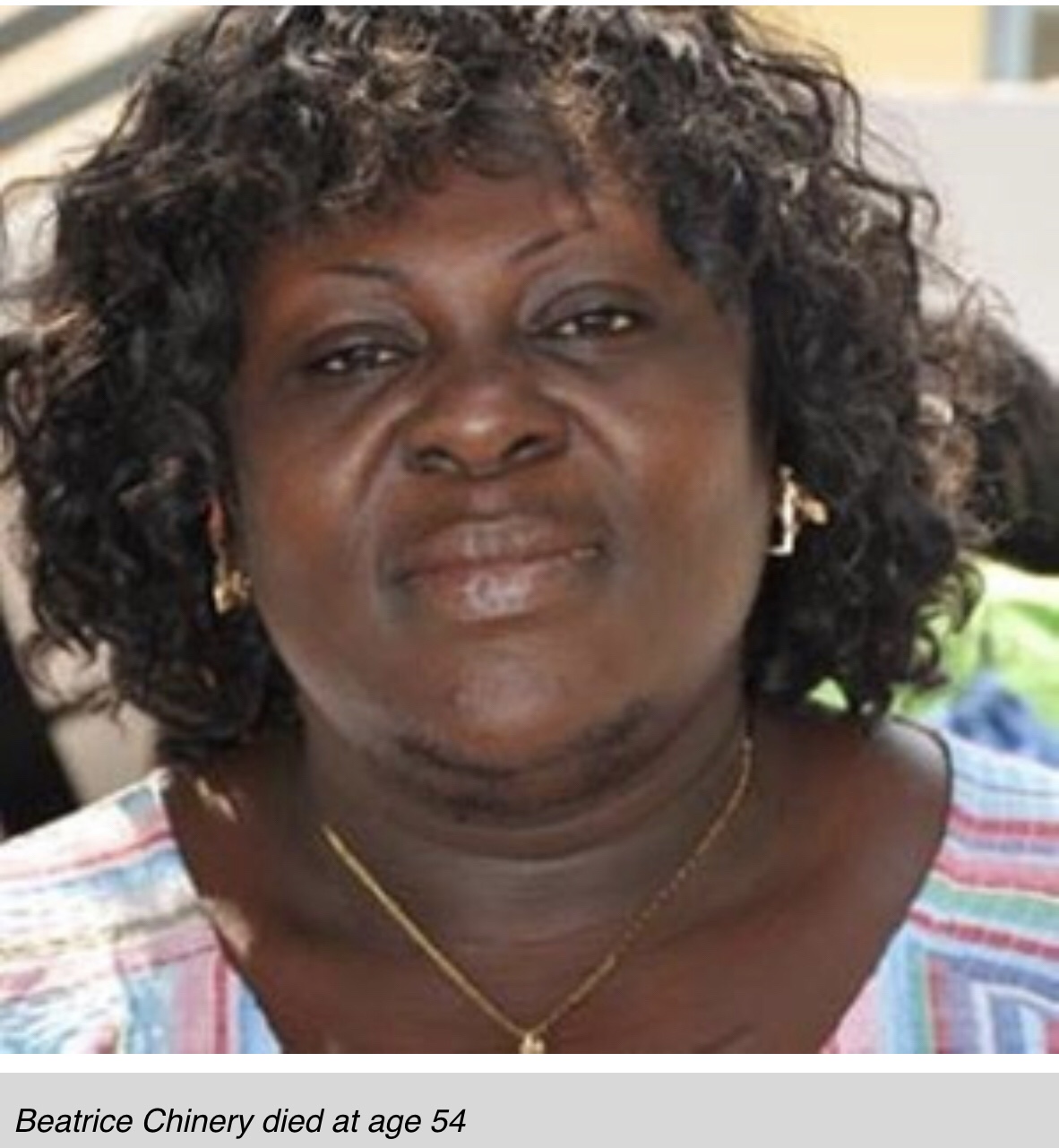

Maya, a Ghanaian based in the United Kingdom, appeared on SVTV Africa’s Daily Hustle Worldwide with DJ Nyaami, where she opened up about life abroad, migration pressure, family separation, and the realities behind the “UK dream.”
Maya has lived in the UK for two and a half years. Before traveling, she was a businesswoman in Ghana, running a cold store business at Amasaman from 2017 to 2023. After completing senior high school, she planned to attend training college, but when that did not work out, she decided to start her own business instead.
“When I first came to the UK and saw my salary, I converted it to Ghana cedis and felt happy,” Maya said. “But later I realized that the profit and benefits I was making from my business in Ghana were also meaningful.”
In the UK, Maya lives in a shared apartment with other Ghanaians, which helps reduce rent and living costs. She is a mother of two boys, with her firstborn being eight years old. Her children currently live in Ghana, and she keeps in touch with them regularly by phone.
Maya noted that UK immigration laws are becoming stricter, partly because migrants openly discuss their strategies on social media. “We expose ourselves in the comment sections by typing in English,” she warned.
She also shared a deeply personal part of her life. Maya’s husband is late, and she has continued moving forward. However, she made it clear that she does not like local-based boyfriends and strongly advised men not to leave their wives in Ghana for three to five years while living abroad.
“How do you expect the woman you left behind to cope?” she asked. “If the husband visits every year, it would be better.”
According to Maya, long-distance relationships are extremely difficult, and many marriages collapse because of money and separation. While some spouses work hard to bring their partners abroad, others maintain multiple relationships across borders, which eventually destroys trust.
She explained that financial dependence also creates tension. In Ghana, due to unemployment, many women depend heavily on their husbands. When those women later travel abroad and become financially independent, power dynamics change, often leading to conflict. “Some women begin to pay back emotionally because of the things they endured when they depended on the man,” she said.
Maya also highlighted how the “abrokyire system” affects marriages. Child benefits and welfare systems sometimes shift financial control, causing disputes between couples. Pressure from extended families further worsens the problem, as expectations increase once people travel abroad.
Speaking about work in Ghana, Maya described the frustration young people face. “When you want to open a job, they put you through stress, and people don’t speak the truth,” she said. She recalled how poor technical work on cold room machines affected her business, contributing to her decision to travel.
Despite her experience, Maya stressed that her decision to travel was also about the future. “I can’t work all my life. A time will come when I grow old and need to rest,” she said.
In conclusion, Maya urged young people to think deeply before migrating and to weigh the long-term impact on family, health, and relationships, not just the excitement of earning foreign currency.
Watch The Video Below;
About The Author